
In this article
Short Ping: A software bug in an on-premises hardware system at JPMorgan Chase disrupted banking services on November 16, 2026, delaying transactions and affecting payments involving other banks. Chase says the issue was not a cyberattack. Zelle says its network remained operational despite payment delays reported by customers.
What changed
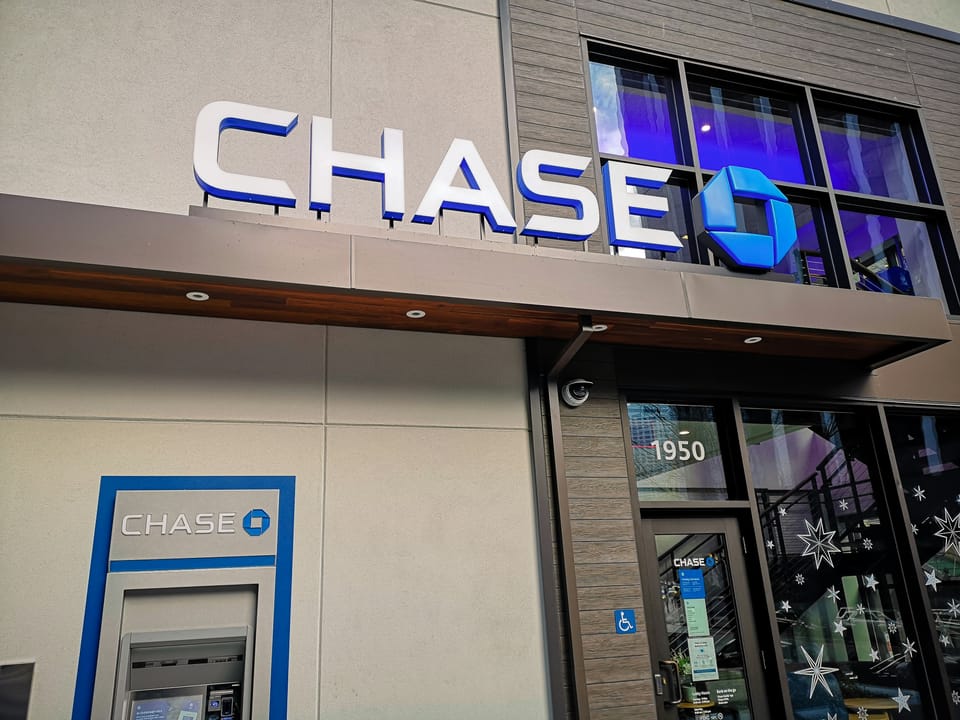
On Monday, November 16, 2026, thousands of U.S. banking customers reported problems accessing accounts, viewing balances and completing transactions. JPMorgan Chase was at the center of the disruption, with customer complaints also involving Bank of America, Wells Fargo, U.S. Bank, Truist and the Zelle payment service.
Chase confirmed that a technical issue was causing transaction delays. The bank subsequently identified a software bug involving an on-premises hardware system and said the incident was not cyber-related.
Although customers at several financial institutions reported problems, the evidence does not establish that every bank experienced an independent outage. Chase said its issue could affect transactions involving other institutions, explaining why customers outside Chase might also experience delays.
Why it matters technically
- On-premises infrastructure: Chase identified a software bug associated with an on-premises hardware system. This points to a problem in infrastructure operated within the bank's own environment, although the affected component and failure mechanism have not been disclosed.
- Interbank dependencies: A technical problem at one financial institution can affect customers of another when transactions depend on communication and processing between the two institutions.
- Payment processing: Customers experienced delays completing transactions. Such delays illustrate the difference between a transaction being submitted and the underlying systems successfully processing it.
- Zelle integration: Some customers reported difficulty sending or receiving payments through Zelle. Its operator, Early Warning Services, said the Zelle network itself was fully operational, suggesting the reported delays originated at participating financial institutions rather than from a confirmed central Zelle outage.
- Service availability: Reports involved web logins, mobile banking and transaction access. These symptoms do not necessarily mean the underlying account balances or funds were unavailable.
- Incident classification: Chase explicitly ruled out a cyberattack and attributed the disruption to a technical bug. No publicly verified evidence in the cited reporting establishes malicious activity as the cause.
- Observability: Outage-monitoring services recorded thousands of customer complaints, but these reports measure user-reported symptoms rather than confirmed infrastructure failures or the total number of affected accounts.
The important architectural lesson is the potential ripple effect from a single institution's infrastructure failure. Financial services rely on interconnected applications, transaction processors and payment relationships. A failure inside one bank can create visible problems beyond that bank even when the other institutions' core systems remain operational.
This does not establish a common technical dependency across all affected banks. The available reporting supports a Chase-centered disruption with downstream transaction effects, not a confirmed nationwide collapse of banking infrastructure.
What is verified
JPMorgan Chase confirmed that some transactions were taking longer than usual and said customers retained access to their accounts and funds. A bank spokesperson subsequently attributed the incident to a software bug in an on-premises hardware system and stated that it was not a cyberattack or a systemic banking failure.
According to CNN, Downdetector recorded more than 4,700 Chase outage reports around 2 p.m. Eastern on November 16. Other financial institutions experienced smaller spikes in reported problems.
U.S. Bank stated that its own systems were not directly affected, although customers sending or receiving Zelle payments involving another institution could experience delays.
The Associated Press reported that Bank of America and Citigroup said their own banking services were operating normally. Early Warning Services likewise confirmed that the Zelle network remained operational.
These distinctions matter: reports involving multiple banks do not automatically establish multiple independent banking outages, and payment delays do not by themselves demonstrate that funds were lost or compromised.
Cost and deployment
- Affected services: Chase online banking and transaction processing experienced disruption, while customers also reported issues involving mobile banking and some in-person services.
- Other institutions: Reports involved Bank of America, Wells Fargo, U.S. Bank, Truist and others. The extent of direct impact varied, and not every institution confirmed an internal systems failure.
- Zelle payments: Some transfers involving affected financial institutions experienced delays despite Zelle reporting that its central network was operational.
- Customer access: Chase said customers retained access to their accounts and funds, although some services and transactions were temporarily unavailable or delayed.
- Financial impact: No verified estimate of aggregate financial losses, failed transaction volume or remediation costs was available in the cited reports.
- Recovery: Chase said it was working to restore normal service. The reporting reviewed did not establish a definitive restoration time or a complete recovery timeline.
What it means in practice
For banking customers, the immediate concern is transaction visibility. An unavailable balance screen or delayed payment confirmation does not necessarily mean money has disappeared. However, repeatedly submitting the same payment without verifying its status can create additional problems if an earlier request eventually processes.
Customers affected by the disruption should:
- Verify transactions: Review transaction history before retrying a transfer, bill payment or purchase.
- Avoid duplicate payments: Do not assume a transaction failed simply because confirmation was delayed.
- Check official channels: Use the bank's official application, website or published support number for service updates.
- Watch for phishing: Treat unexpected messages offering outage-related refunds, account verification or emergency access with suspicion.
- Document problems: Save transaction references, timestamps and legitimate error notifications if a delayed payment creates a financial issue.
For financial institutions and infrastructure teams, the incident reinforces the importance of testing software and hardware failure scenarios, monitoring transaction dependencies and maintaining recovery procedures that account for services outside their direct control.
It also highlights why incident communication should distinguish unavailable user interfaces, delayed transactions, payment-network failures and actual loss of account access. These are materially different operational conditions.
What the sources don't cover
- The exact software defect or affected on-premises hardware component.
- Whether a software update, configuration change or hardware event triggered the bug.
- The internal architecture of the affected Chase systems.
- The precise sequence through which Chase's issue delayed transactions involving other financial institutions.
- The total number of affected customers or transactions.
- A complete incident timeline, including verified full restoration.
- Whether any delayed transactions were permanently rejected or required manual intervention.
- The financial cost to customers, businesses or participating institutions.
- Whether Chase plans infrastructure changes or additional safeguards following the incident.
- A published technical root-cause analysis or post-incident report.
Although the disruption followed other major U.S. technology outages in November, including incidents affecting Microsoft services and air traffic control, the cited reporting does not establish a shared cause or connection between them.
Bottom line: The November 16 banking disruption demonstrates how an infrastructure failure at a major financial institution can affect transaction processing beyond its own customers. Chase has identified a non-cyber software bug as the cause, but the technical details needed to fully assess the failure and its wider implications have not been publicly disclosed.
Sources
- Associated Press — Technical issue at JPMorgan Chase triggers online banking delays
- CNN — Thousands of customers report trouble with online banking services
- CBS News — Major U.S. banks report widespread service outages
- Fast Company — Chase, Bank of America and Wells Fargo customers report outages
Published: November 16, 2026. This is a developing story. Service status, recovery details and technical findings may change as additional information becomes available.
This story was produced with AI assistance from the sources listed above and fact-checked against them before publication. Read our editorial methodology and the corrections log. Spotted an error? Email [email protected].



Discussion