
Topic
Tailscale
-
Release
Tailscale adds opt-in netmap caching for unreliable connections
Tailscale added opt-in netmap caching, which saves the tailnet map to disk. Tailscale says this speeds startup on poor connections and lets nodes reach some or all peers at startup without the coordination server. Not on Android or iOS yet.

-
Release
Tailscale v1.104.7 released; GitHub notes point to the changelog
Tailscale has released v1.104.7 on GitHub, but its release notes only point to the Tailscale changelog, so the changes are unknown. Users should read the changelog entry first, then test the update on one node before wider rollout.

-
Under the Hood
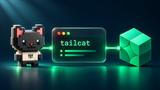
Tailcat vs Tailscale: same data plane, no control plane
Tailcat, an open-source Go package and netcat-style CLI, carries bytes over Tailscale's data plane (WireGuard, NAT traversal, DERP) with no control plane or accounts. It suits quick two-machine links; Tailscale suits auditable access. Run your own relay for privacy.
-
Deep Dive
Opinion
Caddy and NGINX on a public port: why family apps belong behind an overlay
Ping2Prompt's position: family apps should skip a public reverse proxy and use an overlay network or outbound tunnel. Tailscale Serve keeps a port tailnet-only, and Cloudflare Tunnel lets you block inbound traffic. Public ports stay a reviewed exception.
-
Under the Hood
Tailscale DERP relays vs a self-run WireGuard tunnel: how each beats hard NAT
Tailscale uses DERP servers to coordinate connections and as a last-resort relay past hard NAT, while a self-run WireGuard tunnel uses static peers, optional keepalive and your own relay. Tailscale suits many devices; WireGuard suits one or two services.


Newsletter
Get the Weekly Brief
What happened, why it matters and what comes next: the week in one email, every Sunday morning.
Free. One email, Sunday morning. What you get